
Philippines Introduces New PNS Standards for Lithium Batteries and Battery Repurposing
One battery failure can impact more than one product. It can lead to safety problems, disruption to supply chains and damage a manufacturer’s reputation. As battery-powered products proliferate, clear safety and testing standards are important to the electronics and energy industries. Philippines Rolls Out New PNS Standards with the Department of Trade and Industry’s Bureau of Philippine Standards (DTI–BPS), including lithium battery safety and the reuse or remanufacture of used batteries. These developments are of interest to companies in the fields of production of batteries, electronics, storage systems and recycling. PNS Certification Consultant can help an organisation understand the regulatory framework and the importance of the published standards. However, the announcement does not automatically impose compliance on every battery product.
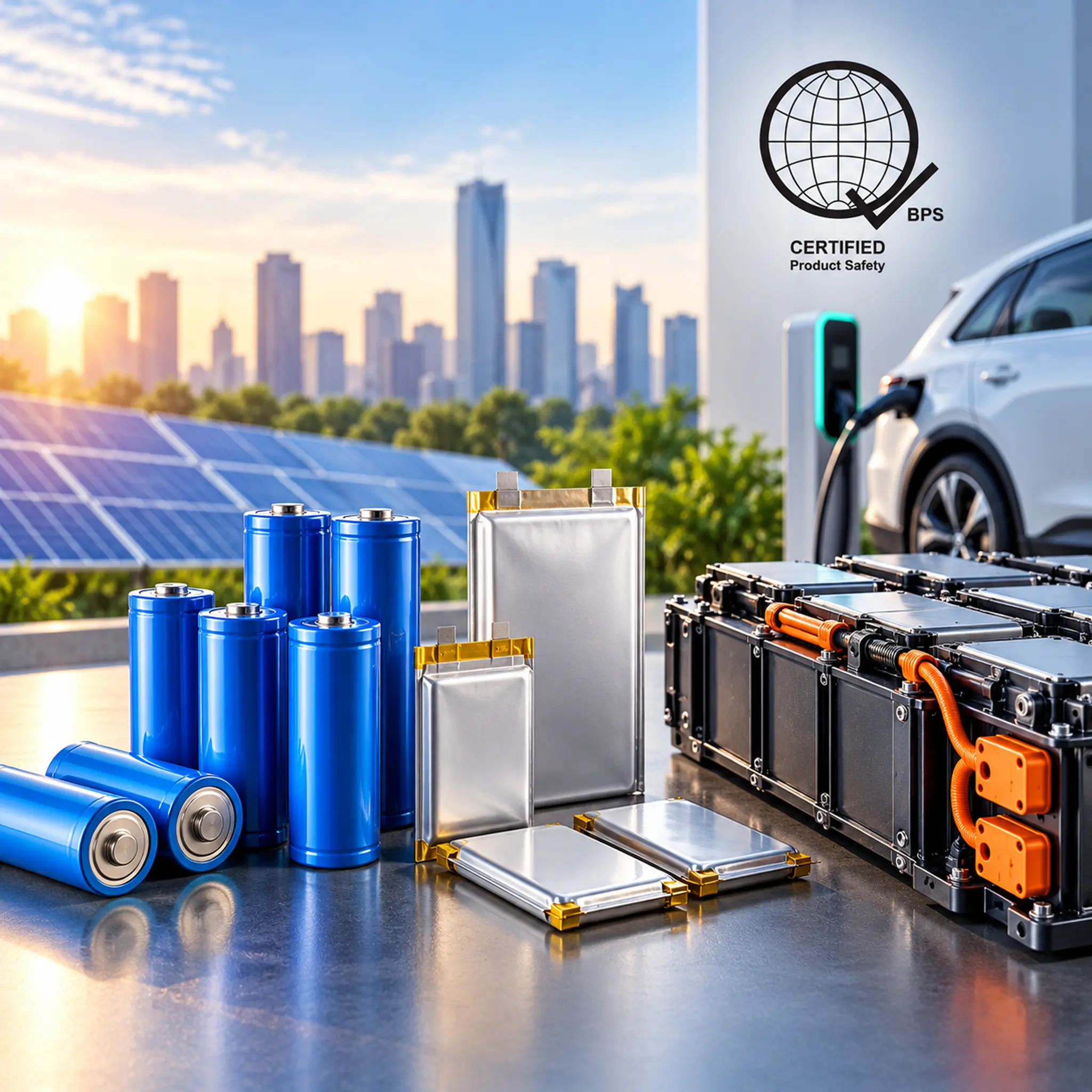
What Are the New Philippine PNS Battery Standards?
Under announcement MMA 2026-688, DTI–BPS promulgated two international standards as Philippine National Standards (PNS):
- PNS UL 1642:2026 – Lithium Batteries
- PNS UL 1974:2026 – Evaluation for Repurposing or Remanufacturing Batteries
The two standards address different stages of a battery’s life cycle. The first focuses on lithium battery safety, while the second addresses the assessment of used batteries for potential second-life applications.
Together, they provide technical references for businesses working with new and previously used batteries. Their scope is relevant to manufacturers, importers, electronics companies and businesses involved in battery reuse.
The announcement also confirms that PNS UL 1974:2026 cancels and replaces PNS UL 1974:2022. This revision is an important consideration for businesses that refer to the earlier edition in technical or quality documentation.
PNS UL 1642:2026 Lithium Battery Safety Requirements
Lithium batteries are used in many products, including portable electronics and other battery-powered equipment. Their performance and safety are important because battery failures can involve fire, explosion and damage to surrounding equipment.
The PNS UL 1642:2026 lithium battery safety requirements address battery safety for use and disposal. According to the DTI–BPS announcement, the standard helps reduce the risks of fire and explosion by establishing safety criteria for battery design and application.
It also includes requirements for technician-replaceable and user-replaceable batteries. The announcement specifically refers to limits on metallic lithium content.
These provisions are relevant to businesses that manufacture or supply products using lithium batteries. Battery safety can influence product reliability, customer confidence and the wider perception of a brand.
Why Lithium Battery Safety Matters
Battery-related risks can affect several parts of a business:
- Product reliability: Battery performance can influence the overall reliability of electronic products.
- Consumer safety: Fire and explosion risks can have serious consequences for users and property.
- Business reputation: Safety concerns may weaken customer trust and affect commercial relationships.
- Product assessment: Recognised technical criteria provide a reference for evaluating battery design and application.
The publication of this standard highlights the role of technical requirements in managing battery safety. However, the announcement does not establish that every product containing a lithium battery must automatically obtain a new PNS certificate.
PNS UL 1974:2026 Battery Repurposing Requirements
Battery reuse is becoming an important consideration as businesses explore ways to extend the useful life of battery packs, modules and cells. However, a used battery may have a different safety condition, performance level and remaining capacity from a new one.
The PNS UL 1974:2026 battery repurposing requirements address the evaluation and grading of used battery packs, modules and cells. The standard provides methods for assessing their safety, performance and remaining capacity to determine their suitability for second-life applications.
It also covers inspection, testing, classification, labelling and documentation. These elements support the assessment of used batteries before they are considered for repurposing.
Why Second-Life Battery Assessment Matters
Battery repurposing can create opportunities to extend battery use. Nevertheless, the condition of a used battery is not always clear from its age or previous application alone.
Differences in usage history, performance and remaining capacity can affect its suitability for another application. An assessment framework can therefore provide a consistent technical reference for evaluating used batteries.
For manufacturers and businesses involved in battery reuse, the standard draws attention to the importance of documented assessment and reliable information. It also connects battery reuse with wider considerations around product safety and resource use.
Are the New Standards Mandatory in the Philippines?
The phrase Mandatory Philippine National Standards requires careful interpretation. The DTI–BPS announcement states that conformance to PNS requirements is generally voluntary. Interested parties may use the standards as references unless a regulatory authority cites a PNS in a technical regulation for a specific product or service and makes conformance mandatory.
Therefore, the publication of PNS UL 1642:2026 and PNS UL 1974:2026 does not, by itself, establish a universal mandatory certification requirement for every battery product.
Businesses need to distinguish between a published technical standard and a legal obligation imposed by a separate regulation. The applicable position depends on the product, its intended use and any relevant regulatory provisions.
A battery certification consultant that Philippine businesses engage may help explain this distinction and the potential relevance of battery standards to particular product categories. Similarly, a PNS Consultant can help clarify the purpose and scope of a published standard without assuming that it automatically creates a certification obligation.
Importance of Product Certification in Global Trade
Product certification and conformity assessment can be part of how companies demonstrate product quality and compliance in international markets. Manufacturers often sell products into countries with different technical standards, testing expectations and regulatory regimes.
This trade environment is broader, encompassing battery-related products. Importers and commercial buyers can consider technical information, test evidence and applicable conformity requirements when evaluating products and suppliers.
Companies looking for the latest Philippine standards for lithium batteries should know that the publication of a standard and the mandatory requirements to enter the market are two different things. What works in one country will not necessarily work in another market to meet the requirements.
Likewise, Philippines Product Certification may involve different standards and regulatory conditions depending on the product category. The requirements for a battery cell, a battery pack and a finished electronic product may not be identical.
Information about PNS publications, their scope and editions is available through the Bureau of Philippine Standards website. The DTI–BPS announcement identifies the PNS catalogue as a source for further standard details.
Impact on Brand Trust and Regulatory Compliance
Battery safety can impact consumer confidence and a manufacturer’s reputation. Products linked to the battery failures could cause concerns among customers, distributors and business partners.
Standards are technical references for the discussion of certain safety and assessment requirements. Providing clear information on testing, classification and remaining capacity can also enable better-informed decisions on possible second-life applications for used batteries.
In the Philippines, businesses can hire product compliance consultants to help them understand the connection between technical standards and regulatory requirements. DTI BPS certification services might be a search term used by companies looking for certification support, but the announcement itself does not mention any private consultancy as an official DTI–BPS service provider.
ERA Global Standards Certification provides information on product certification and regulatory developments for companies operating in markets around the world. Such information may help businesses understand the various compliance frameworks they may face.
Common Challenges for Battery Businesses
The new standards raise a number of issues for businesses in the battery sector, including manufacturers.
Product Safety and Technical Assessment
The safety of batteries involves design, application and performance considerations. Businesses may need to understand the relationship between published technical references and their products and intended uses.
Used Battery Status
Repurposing depends on the condition of the used batteries. Their suitability for second-life applications can be affected by differences in safety, performance and remaining capacity.
Documentation and Trackability
The battery repurposing standard specifically references testing, classification, labelling, and documentation. These areas can impact how companies document and disclose information related to used battery products.
Various Regulatory Requirements
Companies doing business internationally can face different regulations depending on product categories and the destination markets. Mixing voluntary standards with mandatory requirements can create uncertainty in planning for compliance.
These issues highlight why it is important for manufacturers, importers, suppliers and businesses exploring battery reuse to be aware of the appropriate standards.
Conclusion
The 2026 PNS update introduces two important technical references for the battery sector in the Philippines. PNS UL 1642:2026 addresses lithium battery safety, while PNS UL 1974:2026 focuses on assessing used batteries for repurposing or remanufacturing.
The standards cover different but related concerns, from fire and explosion risks to the safety, performance and remaining capacity of used batteries. Their publication reflects the importance of technical assessment across the battery life cycle.
However, the DTI–BPS announcement states that PNS conformance is generally voluntary unless a regulatory authority makes it mandatory through an applicable technical regulation. Understanding this distinction is essential for businesses evaluating the standards’ implications for product safety, international trade and regulatory compliance.
ERA Global Standards Certification provides information on product certification and regulatory compliance developments across international markets. Learn more through www.eraglobal.co.in/contact/.